The integrated village programme
One village, five cohorts, one plan. Income, learning, health and knowledge are funded together — because in a tribal village they fail separately.
Premium tribal brand opportunities
Instead of marketing generic products, the women's enterprise sells branded collections. Branding is what moves a forest product from commodity pricing to a margin the village keeps.
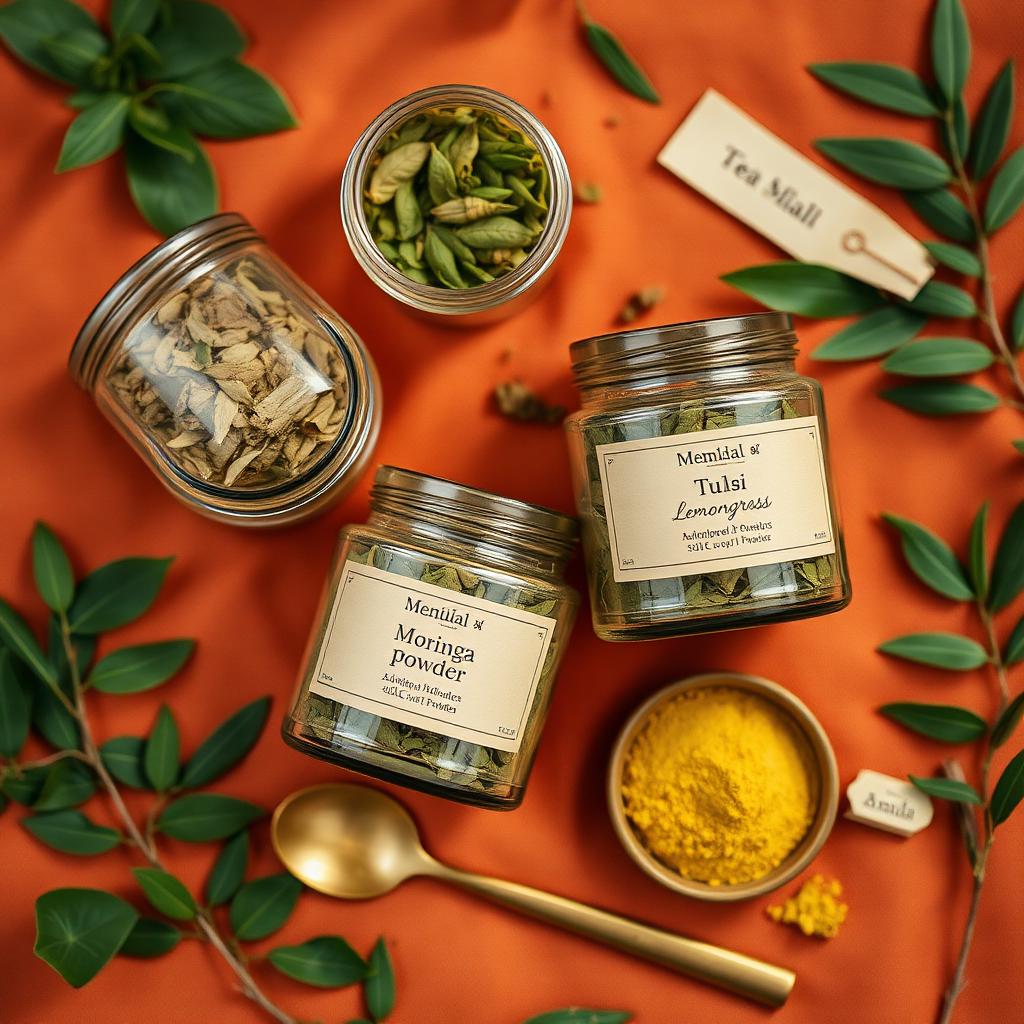
Van Arogya
Herbal teas, immunity powders, Ayurvedic wellness kits, bath salts and gift boxes — minor forest produce turned into a wellness brand by women's SHGs.
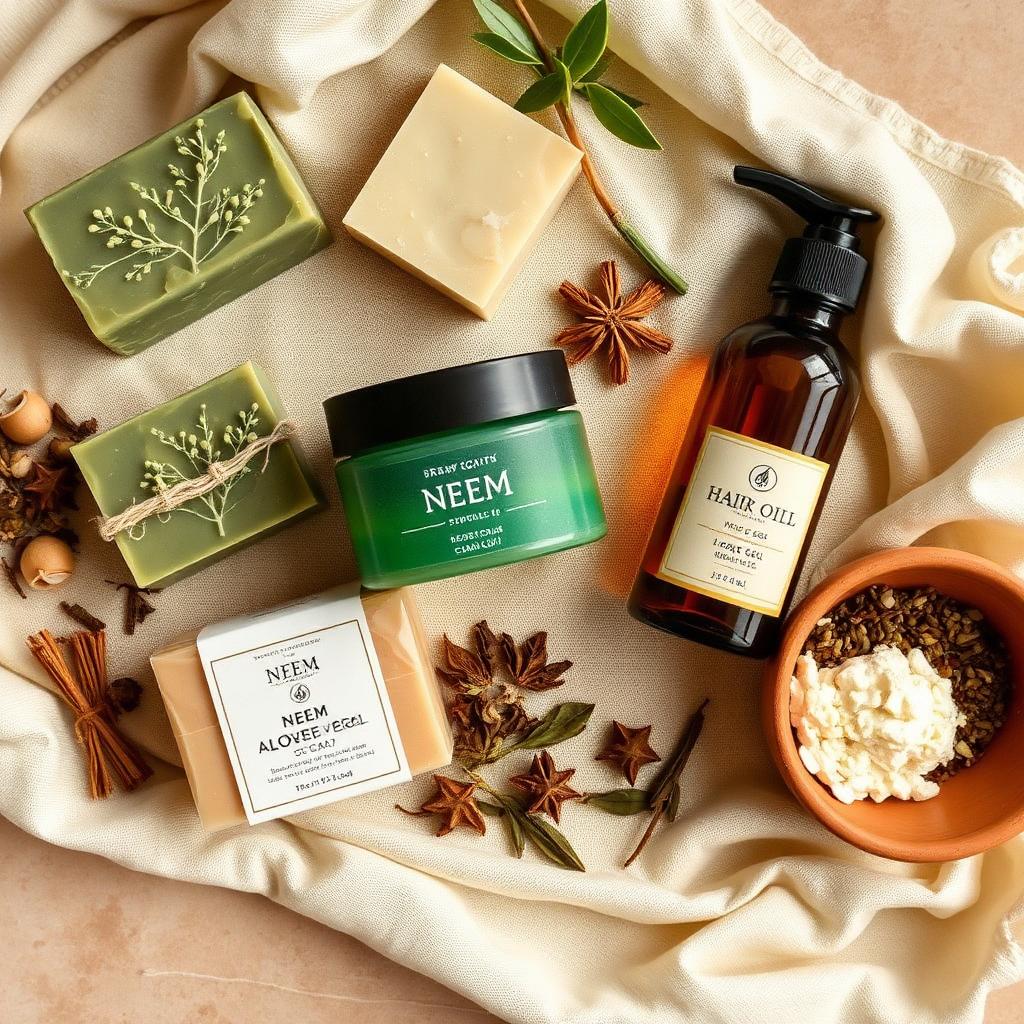
Van Saundarya
Neem soap, aloe vera gel, herbal shampoo, hair oil, face packs and lip balm — cold-processed in small village units, no parabens, no plastic.
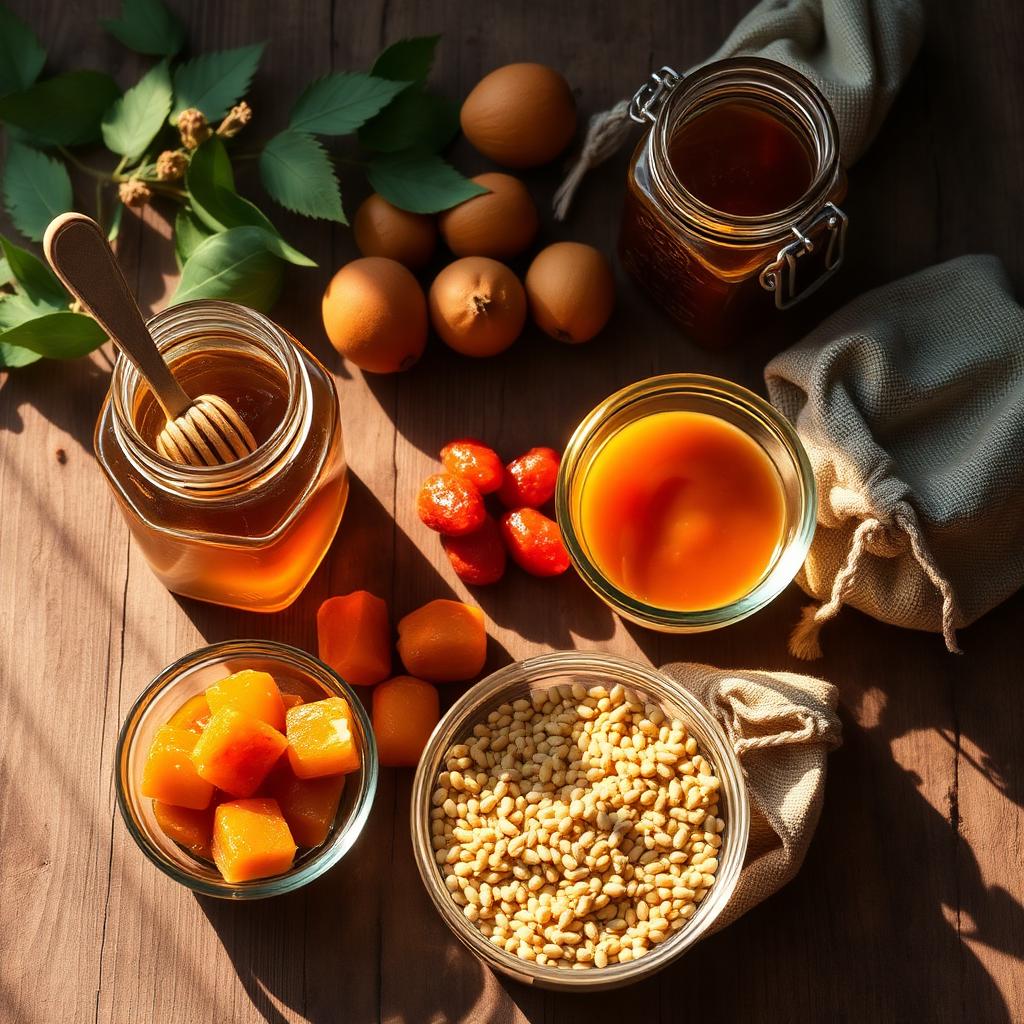
Van Rasoi
Amla candy, tamarind chutney, wild forest honey, herbal spices, millet mixes and mahua-based bakes (where legally permissible).
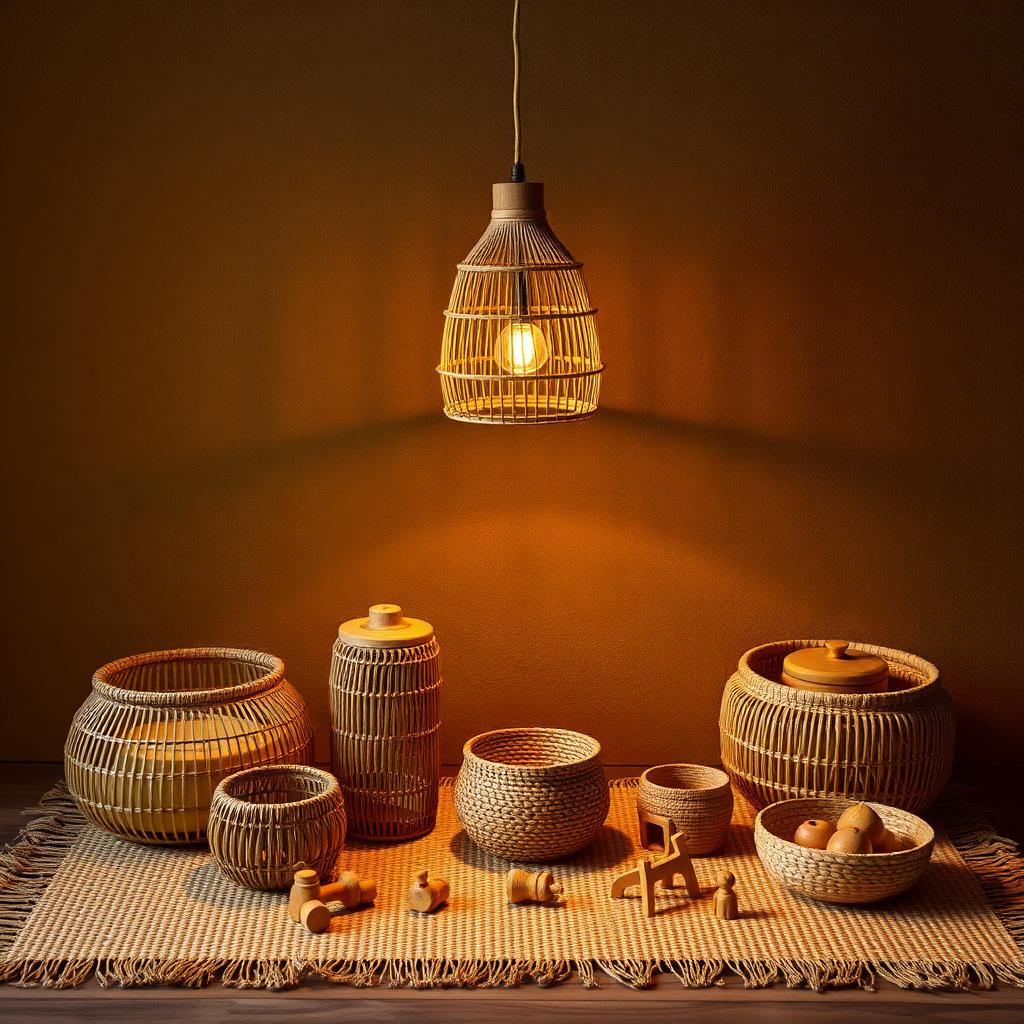
Van Kala
Bamboo lighting, home décor, storage baskets, children's toys, eco-friendly office accessories and festive gift hampers.
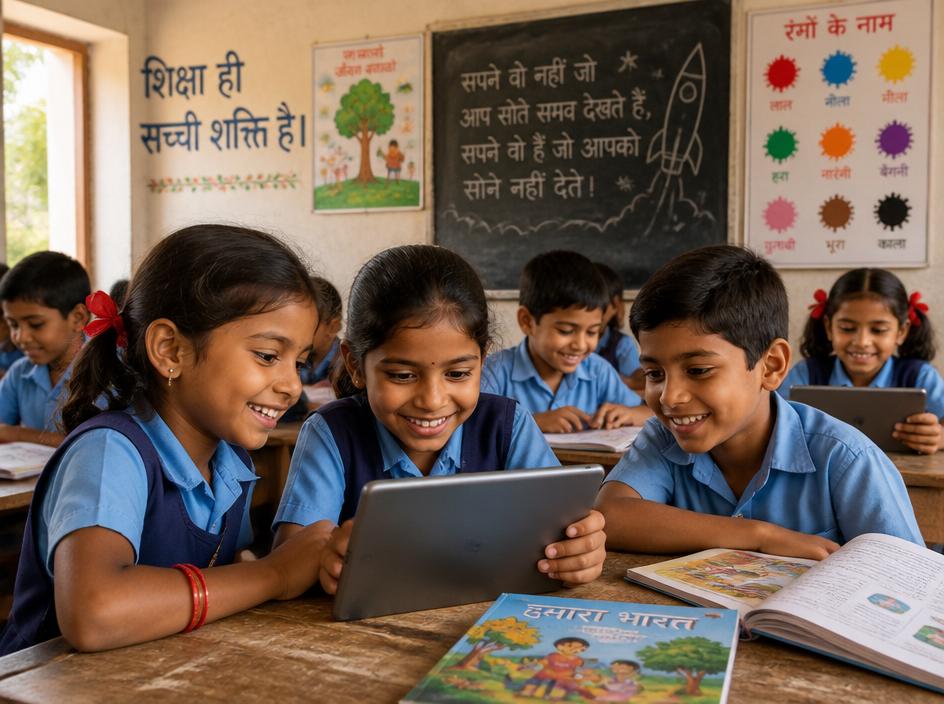
Gyan Vann
Home-remedy kits, seed collections, tribal recipe books, folk music recordings, storytelling cards and biodiversity learning kits for schools.
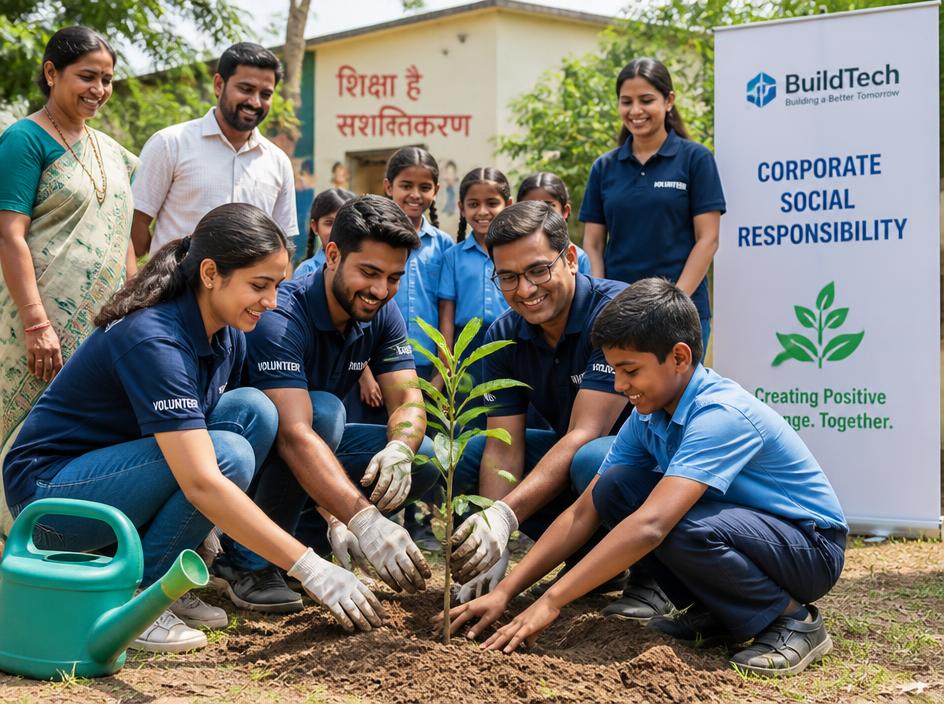
Anudaan Gifting
Herbal wellness hampers, bamboo desk organisers, seed-paper stationery, honey gift boxes and sustainable conference kits — bulk-ready with GST invoicing.
Programme impact tracker
Village-level outcomes across the five cohorts in the Bharuch belt, reported every quarter.
82% of target · target 500 by 2026
60% of target · target 30 villages
71% of target · target 1,750
57% of target · target 500
68% of target · target 500
45% of target · target 2,500
Progress over time
Bars show beneficiaries reached · right column shows funds deployed
What your donation is estimated to fund
- ₹1,000Raw material for one SHG maker for a week.
- ₹2,500A month of Bal Vanam learning for five children.
- ₹5,000One youth skilling module, end to end.
- ₹25,000A full village knowledge documentation cycle.
Figures are reported by the partner NGO and reconciled by the Anudaan Foundation audit team each quarter.
Five cohorts, one plan
Women — Upliftment & Enterprise
Women's SHGs sit at the centre of the programme. Income first, because everything else follows it.
Sustainable livelihoods
- • Bamboo handicrafts
- • Cane furniture
- • Sabai grass products
- • Natural fibre bags
- • Handmade toys
- • Tribal jewellery
- • Traditional embroidery
- • Leaf plates
- • Eco-friendly gift products
Forest produce enterprises
- • Mahua flower products
- • Tamarind processing
- • Honey collection & branding
- • Amla processing
- • Herbal tea
- • Turmeric powder
- • Dry spices
- • Natural colours
- • Medicinal herbs
Micro enterprises
- • Millet snacks
- • Nutritious ready-to-cook mixes
- • Pickles
- • Papad
- • Solar drying units
- • Community kitchens
Men — Farming, Income & Skills
Land productivity and a second income stream, so migration stops being the only option.
Agriculture
- • Organic farming
- • Natural farming
- • Drip irrigation
- • Multi-layer farming
- • Agroforestry
- • Seed banks
- • Vermicomposting
Income generation
- • Poultry
- • Goat rearing
- • Dairy cooperatives
- • Fisheries (where feasible)
- • Mushroom cultivation
- • Beekeeping
Skill development
- • Electrician
- • Solar technician
- • Mason
- • Plumbing
- • Welding
- • Farm machinery operation
- • Rural entrepreneurship
Children — Learning & Nutrition
Foundational literacy paired with Indian Knowledge Systems and a daily meal that actually arrives.
Foundational education
- • Early childhood centres
- • Bal Vanam-inspired learning spaces
- • Reading clubs
- • STEM labs
- • Digital classrooms
- • Library-on-Wheels
Indian Knowledge Systems
- • Folk music
- • Tribal storytelling
- • Nature learning
- • Sound pedagogy
- • Local ecology
- • Indigenous games
- • Traditional mathematics
- • Sanskrit exposure
Nutrition
- • Kitchen gardens
- • Nutrition education
- • School breakfast
- • Anaemia prevention
- • Health screening
Youth — Employability & Enterprise
Skills the district's employers actually hire for, and incubation for those who would rather build.
Programme tracks
- • Spoken English
- • Digital literacy
- • AI basics
- • Coding clubs
- • Drone training
- • GIS mapping
- • Entrepreneurship incubation
- • Career counselling
- • Competitive exam preparation
- • Campus placement support
Elderly — Dignity & Knowledge Transfer
The elders hold the knowledge this whole programme monetises. They are treated accordingly.
Programme tracks
- • Community day-care centres
- • Ayurveda and yoga
- • Traditional knowledge documentation
- • Storytelling circles
- • Herbal medicine gardens
- • Intergenerational learning
- • Nutrition support
- • Preventive health camps
Recorded with the community, credited to it
A closing window: much of this knowledge lives with people over seventy. Documentation runs underneath all five cohorts, and every published kit pays a royalty back to the elders it came from.
- • Traditional medicinal plants
- • Forest foods
- • Folk songs
- • Tribal musical instruments
- • Oral histories
- • Agricultural calendars
- • Water conservation practices
- • Indigenous architecture
- • Traditional healing
- • Sacred groves
- • Seed diversity
Who owns which enterprise
| Enterprise | Primary beneficiaries |
|---|---|
| Herbal Products | Women SHGs |
| Bamboo Craft Cluster | Women & Youth |
| Honey Cooperative | Farmers |
| Millet Processing Unit | Women |
| Tribal Textile Brand | Women |
| Nursery & Medicinal Plants | Youth |
| Eco-tourism Guides | Youth |
| Seed Banks | Farmers |
| Organic Produce Brand | Farmer Producer Organisations |
| Tribal Café & Experience Centre | Youth & Women |
Products with the strongest market demand
These combine local availability with real consumer pull — the shortlist we scale first. The approach aligns with government support for Minor Forest Produce (MFP) and Van Dhan initiatives, which back tribal communities to earn more through processing and value addition of bamboo, honey, mahua, medicinal plants, gums and other non-timber forest produce.
- • Herbal tea blends (Tulsi, Lemongrass, Moringa)
- • Wild forest honey and beeswax products
- • Bamboo home décor and utility items
- • Herbal soaps and natural cosmetics
- • Amla-based health products
- • Moringa nutrition powder
- • Neem-based organic products
- • Herbal incense and dhoop
- • Millet-based nutritious foods
- • Corporate eco-gift hampers